

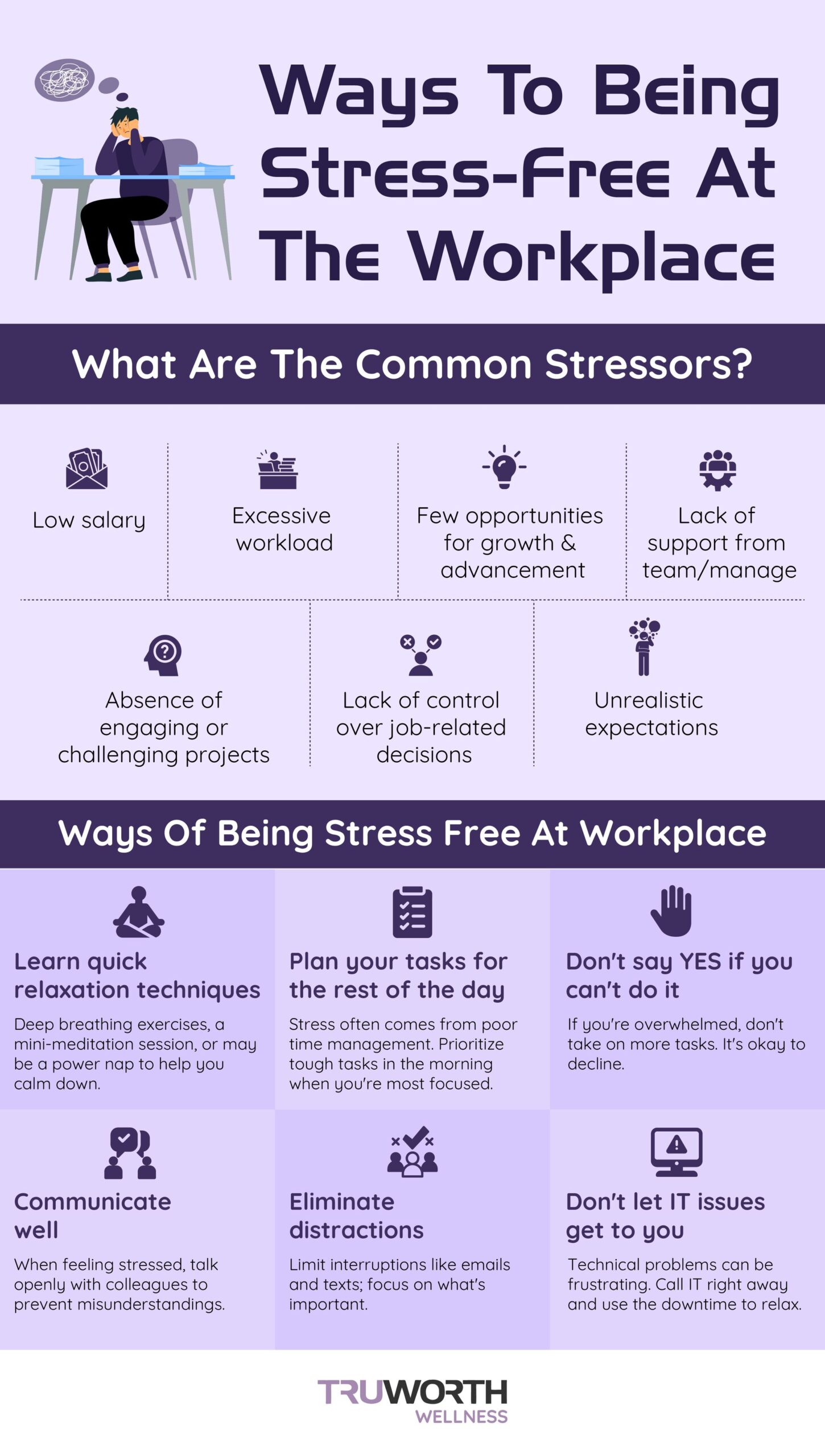
In 2026, the modern professional landscape moves faster than ever. Driven by rapid digital transformation and continuous connectivity, the dividing line between your professional duties and personal time has grown incredibly thin. For many individuals, stepping into the office or logging onto a remote workspace feels less like starting a shift and more like entering an active pressure cooker. By implementing a systematic approach to time allocation, boundary definition, and proactive self-care, you can regain control of your day.
Workplace Stress Management Matrix
| Intervention Area | Strategy | Practical Execution | Impact Rating |
| Task Management | The Eisenhower Matrix | Categorize tasks by urgency and importance; delegate low-value work. | High |
| Biometric Resets | Micro-Rest Overloads | Step away from all digital screens for 5 minutes every hour. | Critical |
| Environmental Control | Spatial Separation | Establish rigid boundaries between work zones and rest areas. | High |
| Powertrain Fueling | Metabolic Stabilization | Eat structured meals rich in healthy fats and proteins to avoid crashes. | Medium |
1. Implement Strict Tactical Priority Management
When your to-do list grows down the block, the sheer volume of tasks can paralyze your productivity, tricking your brain into treating every email like an immediate emergency.
- The Eisenhower Matrix: Break your day down by sorting tasks into four quadrants: Urgent & Important (do it now), Important but Not Urgent (schedule it), Urgent but Not Important (delegate it), and Neither (eliminate it).
- Bite-Sized Milestones: Large, ambiguous projects trigger severe anxiety. Divide massive deadlines into small, bite-sized tasks that can be completed in a single sitting. Checking off these mini-goals provides a continuous psychological feedback loop of accomplishment.
2. Master the Art of the “Micro-Rest” Break
Many professionals wear their 10-hour nonstop grinds like a badge of honor, but continuously staring at a monitor under pressure actively degrades their decision-making capacity. Your brain requires regular intervals to flush out stress chemicals like cortisol.
Incorporate short breaks using techniques such as the Pomodoro method (working for 25 minutes, then taking a 5-minute break). During these windows, completely step away from your desk. Do not switch from your laptop screen to your smartphone screen to scroll social media; instead, practice deep breathing exercises or stretch your shoulders and neck to release the physical tension built up in your muscles.
3. Configure Tough Equipment and Off-Duty Passions
Building psychological resilience requires cultivating an identity outside of your job title. When you are immersed in a complex, demanding role, you need tools and hobbies that anchor your perspective in a different world entirely.
For professionals who pivot from high-pressure office environments to rugged outdoor industries, heavy agriculture, or demanding weekend overlanding, utilizing ultra-tough gear is part of their decompression. If your lifestyle relies on absolute preparation for heavy travel or property upkeep, having the right mechanical assets makes a difference. For example, if you manage acreage or worksites, choosing to browse durable skid steer tree shear for sale options for daily use allows you to clear land and tackle physical landscaping challenges safely.
Similarly, if your vehicle functions as your ultimate weekend escape pod to clear your head after a brutal corporate week, customizing your setup is key. Truck owners often optimize their utility by adding extra carrying space with a truck bed rack system to secure heavy overland gear, mountain bikes, or camping equipment, ensuring they can slip away into nature the exact second the Friday afternoon clock runs out.
Comparison: Unchecked Chronic Strain vs. Structured Boundaries
| Symptom Profile | Unmanaged High-Stress Approach | Boundaried Resilience Approach |
| Communication | Responding to midnight pings and emails | Rigid digital detox parameters after 6:00 PM |
| Task Execution | Multitasking randomly under panic | Linear, hyper-focused project chunking |
| Physical Stature | Slouched posture, poor biomechanics | Scheduled movement breaks and stretching |
| Identity Balance | Career performance equals self-worth | Grounded by diverse external interests |
4. Perfect Your Vehicle and Transition Stance
Your daily commute—whether it lasts fifteen minutes or an hour—should act as a psychological decontamination chamber between your high-stress office and your home life. If your ride is cluttered, noisy, or uncomfortable, that stress bleeds directly into your evening.
If you drive a premium vehicle as your daily commuter and want your transition home to feel like a fortress of solitude, visual and mechanical upgrades can dramatically alter your mindset. For drivers looking to establish an authoritative, smooth stance on asphalt, upgrading to specialized Chevy Tahoe rims for stock and lifted setups changes how your truck handles road vibrations while elevating its design character, giving you a clean, confident ride home far removed from workplace friction.
5. Normalize Professional Boundaries and Communication
You cannot prevent a high-stress work environment if you constantly train your colleagues to believe you are available 24 hours a day. Burnout is rarely the result of a single hard project; it is the cumulative result of prolonged boundary degradation.
Set clear, predictable communication blocks. Use automated out-of-office status indicators when you are in deep-focus work blocks to limit constant incoming chat distractions. Most importantly, practice saying “no” or reframing your capacity professionally: “I can absolutely assist with this project, but based on my current commitments to our primary deadlines, I will not be able to begin reviewing it until Thursday morning.”
Action Plan for Next Monday
To implement these insights in high-stress work environments: how to handle pressures effectively, adopt this three-part protocol:
- Audit Your Mornings: Spend the first 10 minutes of your workday organizing your tasks before opening your inbox. Letting other people’s emails dictate your morning instantly puts you in a reactive, anxious state.
- Protect the Last Hour: Establish a hard “shutdown routine” at the end of your shift. Clear your desk, write down a quick itinerary for tomorrow, and close your laptop completely. This physical ritual signals your brain that it is safe to downshift.
- Lean on Your Support Network: Maintain strong relationships with friends and family who have nothing to do with your corporate workspace. Talking with people who value you for who you are—rather than your professional productivity—keeps your perspective balanced.
Frequently Asked Questions
1. How can I tell the difference between normal work stress and actual burnout?
Normal work stress is situational and temporary; once a big deadline passes, your energy bounces back. Burnout is characterized by chronic emotional exhaustion, cynicism toward your job, and a persistent feeling of ineffectiveness that doesn’t improve even after a weekend off.
2. What is the 4-7-8 breathing technique?
It is a simple biometric reset that lowers your heart rate when stress spikes. Inhale quietly through your nose for 4 seconds, hold your breath completely for 7 seconds, and exhale forcefully through your mouth, making a “whoosh” sound for 8 seconds. Repeat this cycle four times.
3. Is it safe to talk to my manager about my high stress levels?
Yes, provided you frame the conversation around solutions rather than open complaints. Approach your manager with a clear layout of your current workload and ask for guidance on prioritizing tasks: “I want to ensure these top initiatives receive the highest quality of work. Can we review my queue to align on what takes priority?”
Leave a Reply